Featured
Getting The Ways Financial Trauma Recovery: Counseling Te...
The Main Principles Of Recovering Personal Credit Rating ...

How Community-Based Credit Counseling for People with Good Credit Scores but Rising Debt Organizations Explained can Save You Time, Stress, and Money.
Table of Contents
That maximizes money in the brief term, and you may have 3 to four years to save toward the settlement amount. Extremely unsafe to credit history, mostly as a result of missed payments and an adverse "settled" mark that can stay on your debt report for as much as 7 yearsMay be just alternative if other choices (financial obligation consolidation, balance transfer bank card, debt forgiveness) aren't possibleTypically calls for a cost to the 3rd party, which might balance out some or every one of the savings from financial debt settlementMay aid you stay clear of bankruptcy if you've missed a number of paymentsNot all lenders collaborate with financial obligation negotiation companies Financial obligation forgiveness may be right for you if you are experiencing a monetary challenge that makes it almost impossible to pay down your financial debt equilibriums.
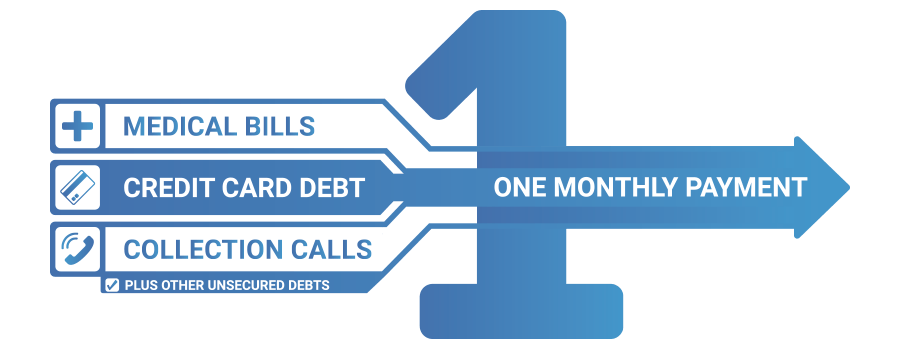
With a DMP, you make one regular monthly settlement to the credit report counseling company. Those funds are then distributed to creditors of your unsecured financial obligations, such as bank card and installment loans. The company works with your creditors to reduce interest prices or forgo costs, but some lenders may decline such giving ins.
It can aid you pay down financial obligation if you're able to protect a lending rate that's lower than the average price of the accounts you're settling. You should avoid from racking up financial obligation on those recently removed accounts or your debt can expand even greater.
That provides you lots of time to remove or substantially lower your balance while making interest-free payments.
What Does What's Next for Debt Forgiveness Solutions Do?
You may require it if your lender or a debt collector ever before tries to gather on the financial obligation in the future. The letter can prove you do not owe what the debt collection agency's records reveal. Yes, in many cases, the IRS takes into consideration forgiven financial obligation as gross income. When a lender forgives $600 or more, they are needed to send you Type 1099-C.
Financial debt mercy or settlement usually harms your credit rating. Anytime you resolve a financial obligation for less than you owe, it may look like "settled" on your credit rating record and impact your credit report for 7 years from the date of negotiation. Your debt can likewise drop substantially in the months resulting in the forgiveness if you fall back on payments.
Not known Facts About What Regulations Says According to Bankruptcy Law
Tax obligation financial debt concession programs Tax financial obligation occurs when the amount of tax obligations you owe exceeds what you have paid. This scenario frequently results from underreporting revenue, not filing returns on time, or inconsistencies found during an internal revenue service audit. The effects of collecting tax debt are serious and can include tax obligation liens, which give the IRS a legal claim to your residential or commercial property as safety for the debt.
Greater rate of interest rates on readily available credit rating. Wages and Financial institution Accounts internal revenue service can levy (confiscate) earnings and bank accounts to please the financial debt. Lowered revenue and interruption of essential economic procedures. Residential or commercial property Seizure In severe instances, the internal revenue service can take and market residential or commercial property to cover the financial obligation. Loss of useful assets and prospective displacement.
Clinical depression, anxiousness, and other psychological health and wellness issues. Social Stigma Dealing with lawsuit from the IRS can carry social preconception. Damage to online reputation and partnerships. Work Opportunities A bad credit rating due to exhaust debt can restrict employment possibility. Difficulty searching for or keeping a task. Government Advantages Tax financial obligation might influence eligibility for federal government benefits, such as Social Safety and Medicaid.
All About Establishing Post-Credit Counseling for People with Good Credit Scores but Rising Debt Spending Strategy for Lasting Success
The OIC considers numerous elements, consisting of the taxpayer's income, costs, property equity, and capacity to pay. Effectively discussing an OIC can be intricate, needing a detailed understanding of the IRS's guidelines and a strong disagreement for why your offer straightens with your ability to pay. It is very important to note that not all applications are approved, and the procedure requires in-depth financial disclosure.
The IRS examines your total economic scenario, including your revenue, expenses, possession equity, and ability to pay. You have to also be current with all filing and repayment needs and not be in an open personal bankruptcy proceeding. The internal revenue service also considers your conformity history, examining whether you have a document of timely declaring and paying tax obligations in previous years.
Not known Facts About Ways Trustworthy Providers Adhere to Regulatory Compliance
The application process for an Offer in Concession involves numerous comprehensive steps. First, you must complete and submit IRS Kind 656, the Deal in Concession application, and Kind 433-A (OIC), a collection info statement for people. These forms call for thorough monetary details, consisting of information about your earnings, financial debts, costs, and possessions.
Back tax obligations, which are overdue tax obligations from previous years, can dramatically enhance your complete internal revenue service financial debt otherwise attended to quickly. This financial debt can build up rate of interest and late payment charges, making the original amount owed much bigger with time. Failure to repay tax obligations can result in the internal revenue service taking enforcement actions, such as issuing a tax obligation lien or levy against your residential property.
It is very important to deal with back tax obligations immediately, either by paying the sum total owed or by preparing a payment plan with the internal revenue service. By taking aggressive actions, you can prevent the buildup of added interest and penalties, and stop a lot more aggressive collection activities by the IRS.
One typical factor is the idea that the taxpayer can pay the total either as a swelling amount or via a payment strategy. The IRS also thinks about the taxpayer's revenue, expenses, property equity, and future earning possibility. If these factors indicate that the taxpayer can afford to pay greater than the used quantity, the IRS is likely to turn down the offer.
Getting The How to Never Fall Into New Debt Cycles After Credit Counseling for People with Good Credit Scores but Rising Debt To Work
Dealing with Internal revenue service financial obligation can be intricate and daunting. Tax obligation professionals, such as CPAs, tax obligation attorneys, or enrolled representatives, can supply indispensable aid.

Table of Contents
Latest Posts

Getting The Ways Financial Trauma Recovery: Counseling Techniques for Clients with Repeated Financial Crises Safeguards Your Property To Work
The Main Principles Of Recovering Personal Credit Rating the Smart Way

The Of Your Rights
More
Latest Posts
The Main Principles Of Recovering Personal Credit Rating the Smart Way
The Of Your Rights